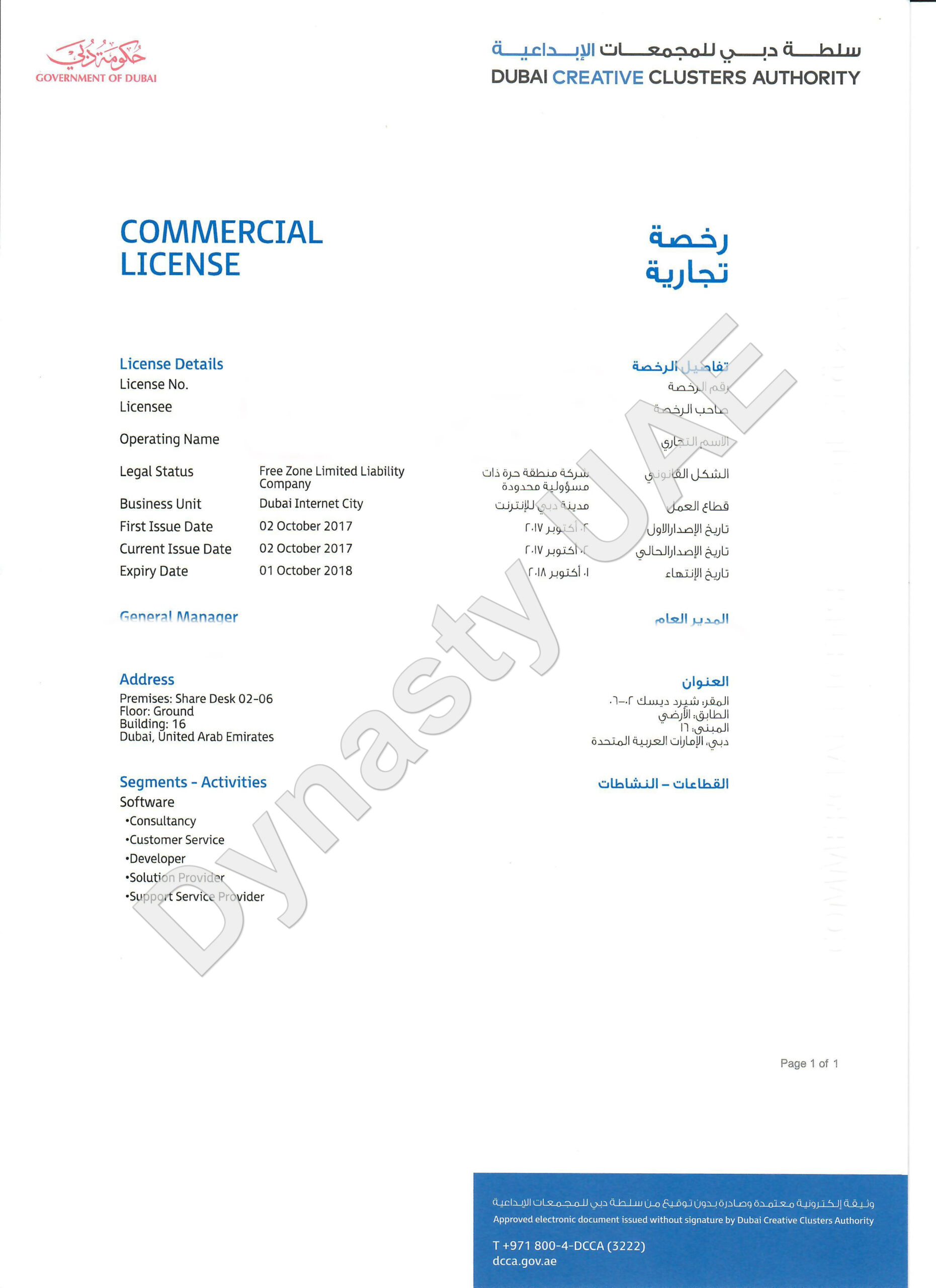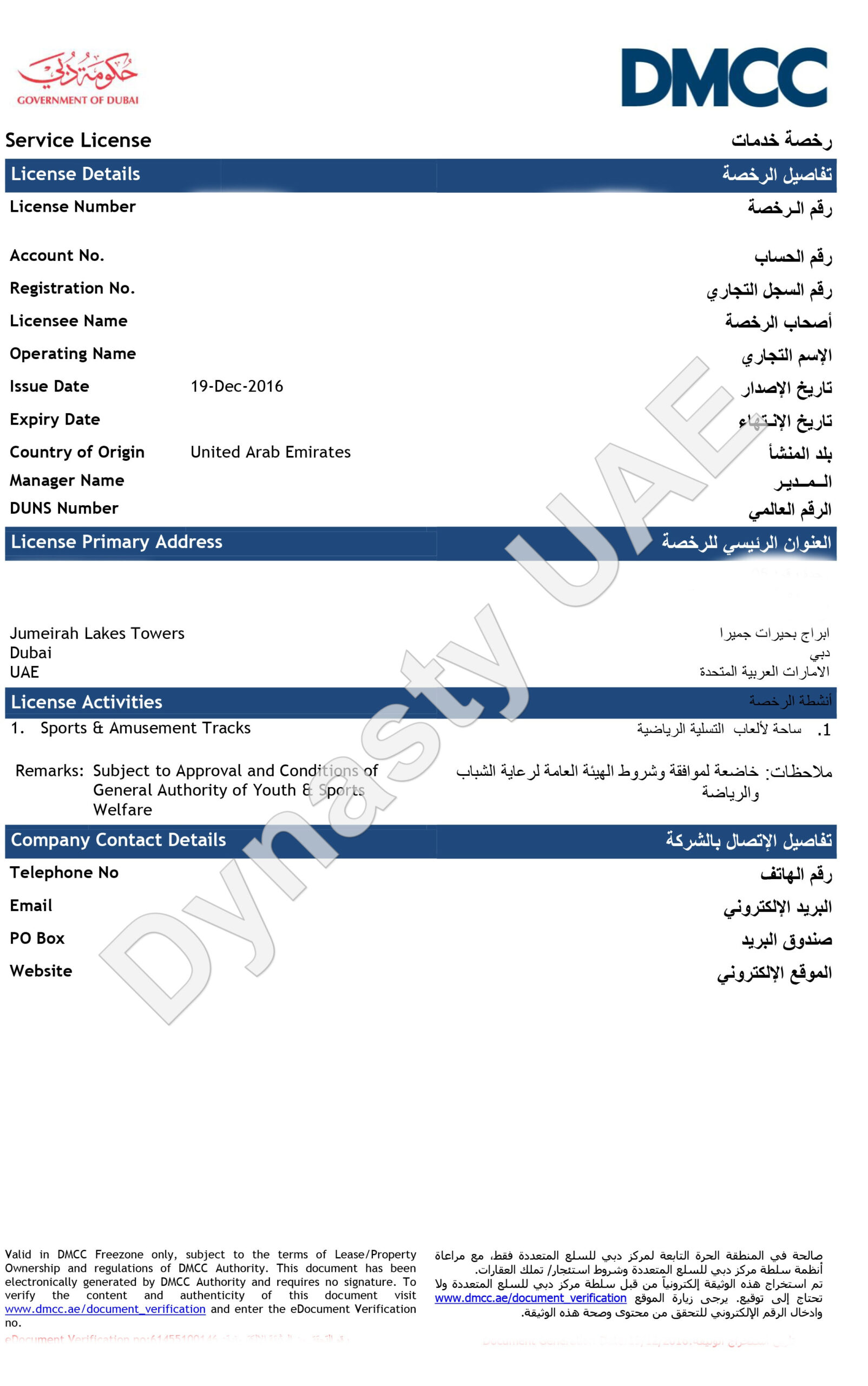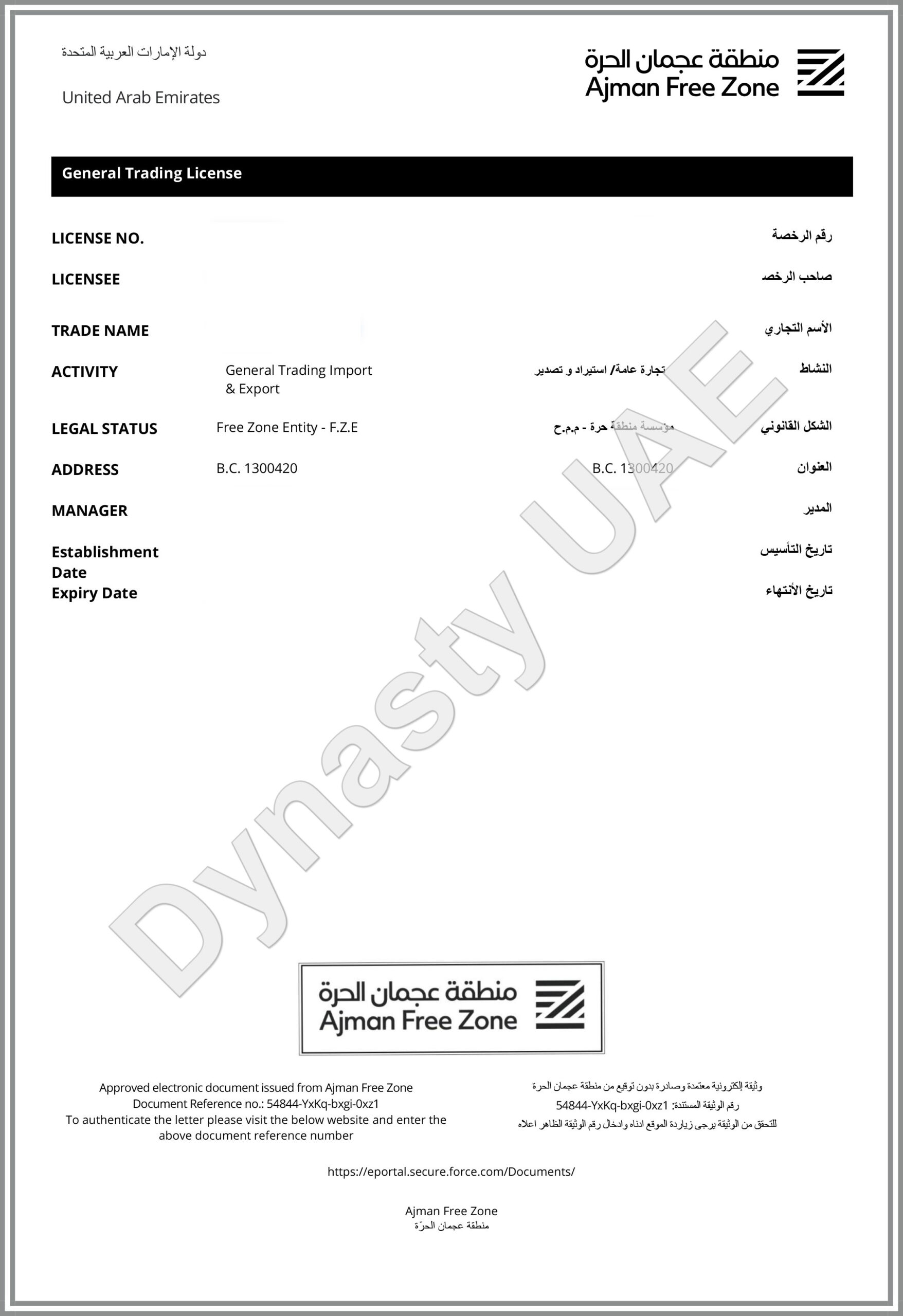


This article covers the types of licences available, how the jurisdictions differ, what licensing actually costs across different free zones, and what most often causes an application to be rejected.
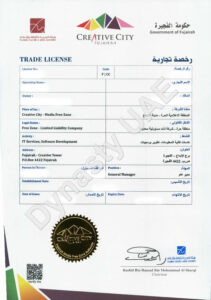
Why You Need a Licence and What It Confirms
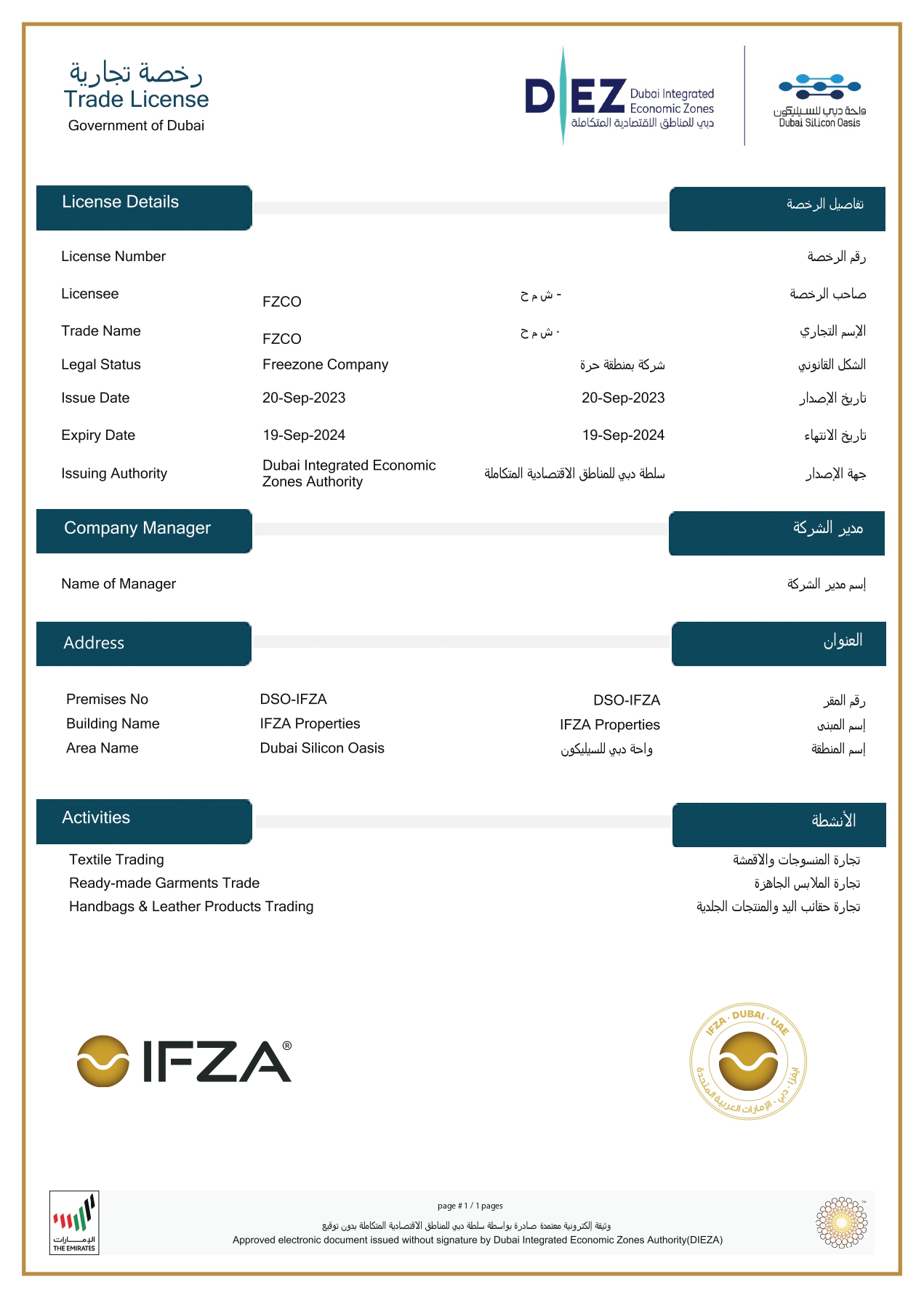
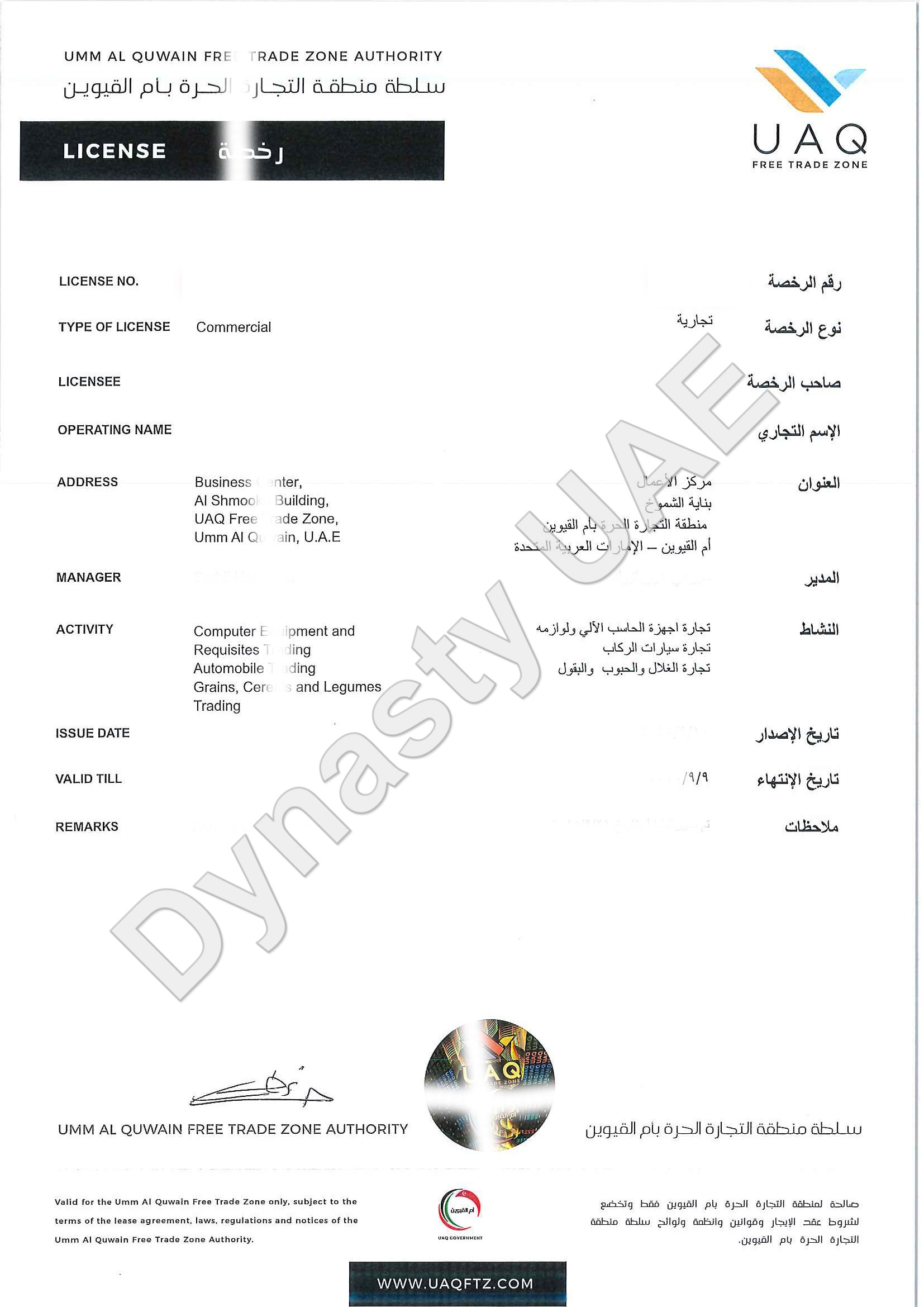
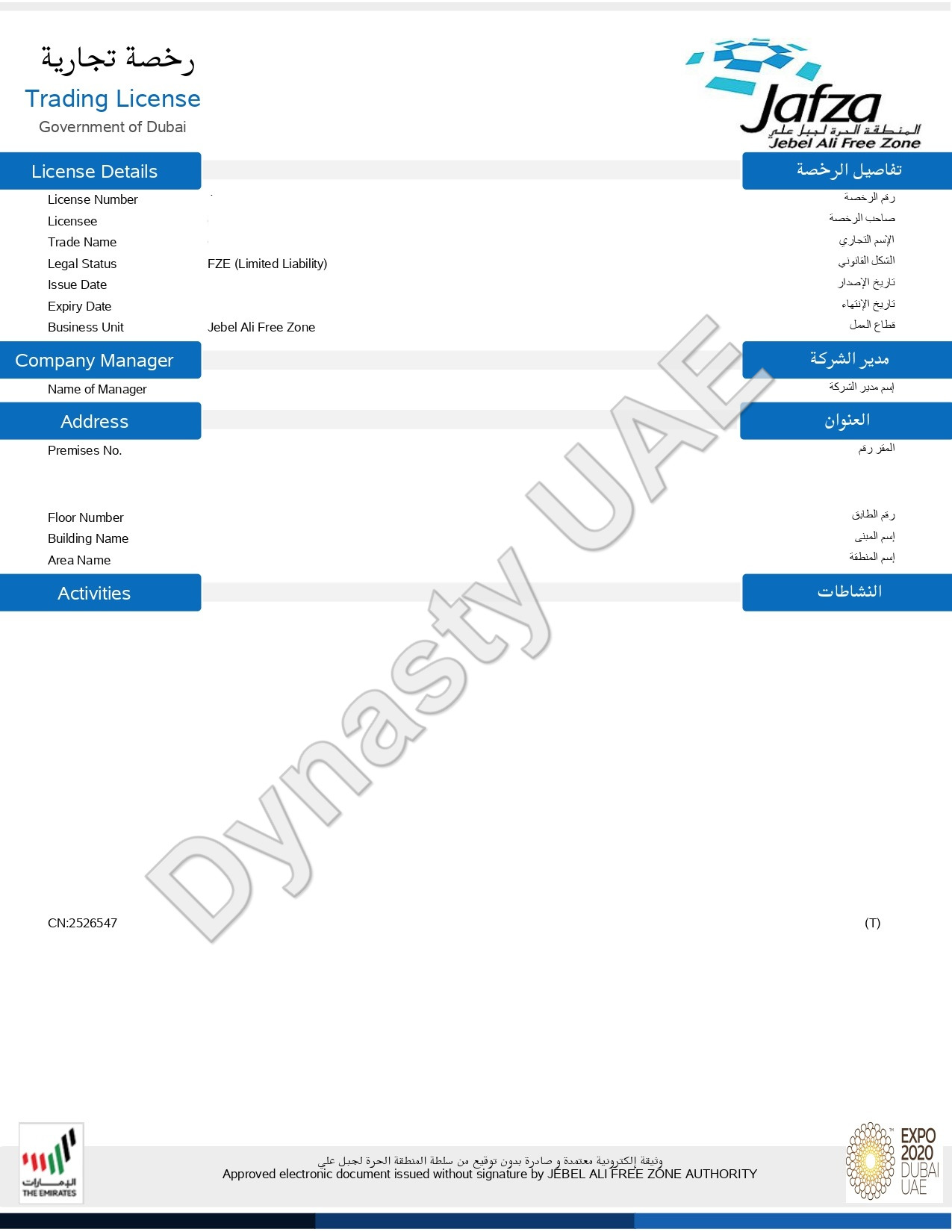
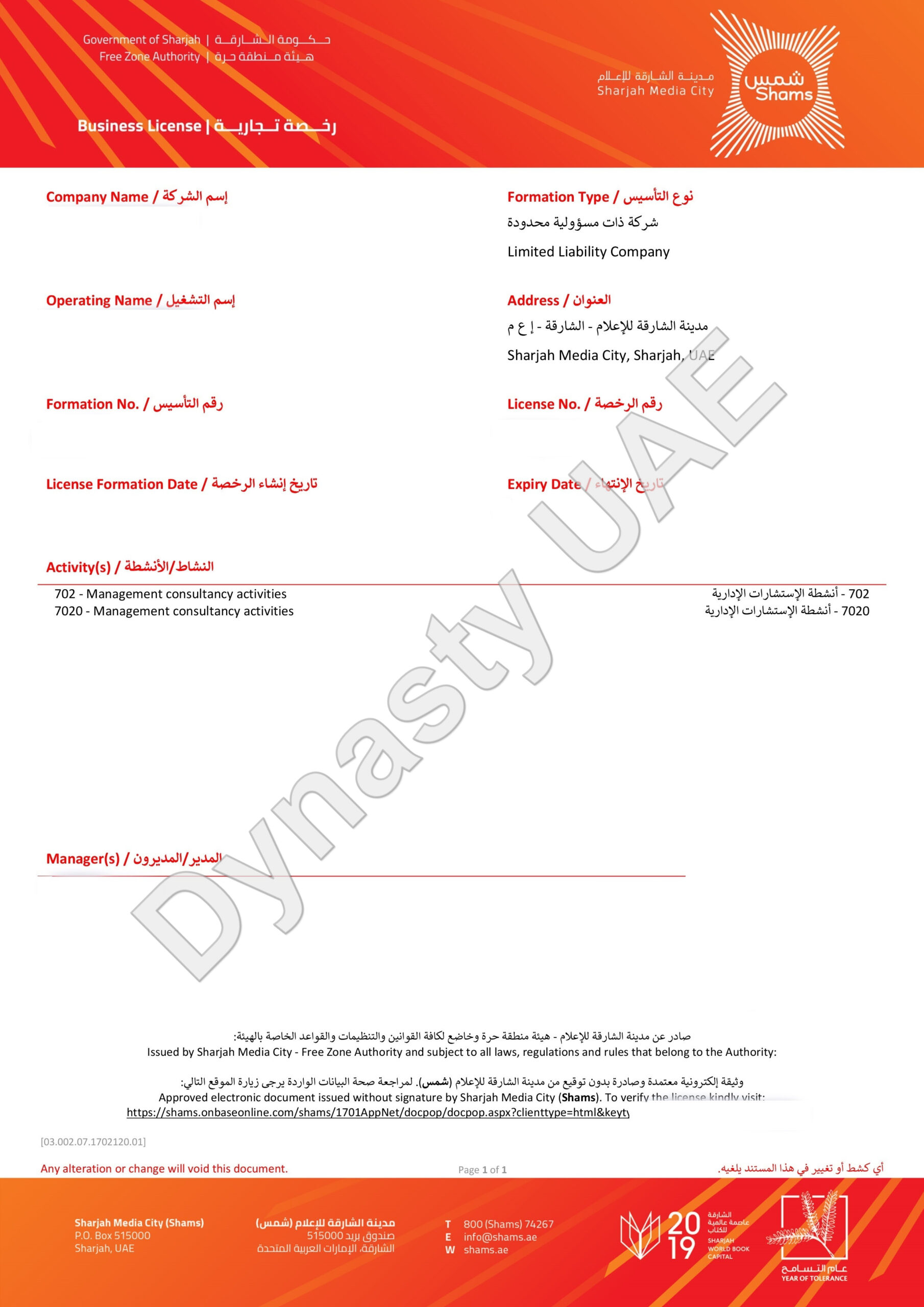
A licence is a document that, alongside a company’s incorporation papers, confirms its legal status. It lists the founders, the registered address, the permitted activities, and the registration date. A licence limits the company: it may only carry out the activities listed on it — if the business expands, the licence needs to be amended or reissued.
Every type of UAE licence is issued for 1 year and needs to be renewed on time — it’s best to start the renewal process no later than 2-3 weeks before expiry, otherwise the company risks a fine or a temporary suspension of operations.
Mainland, Free Zone, or Offshore: What’s the Difference
Licensing starts with choosing a jurisdiction. One important clarification: an “onshore” company and a “mainland” company are the same thing, not two different options, as some popular articles suggest. There are three distinct types of jurisdiction in the UAE:
Table 1 — UAE Jurisdictions
| Jurisdiction | Key Features |
|---|---|
| Mainland (onshore) | Registered on the mainland via the emirate’s Department of Economic Development (in Dubai — the Dubai Department of Economy and Tourism, DET). Allows operations across the UAE and eligibility for government contracts. |
| Free zone | Registered in one of the free economic zones. Usually 100% ownership with no local partner and favourable tax treatment, but the activity is limited to the zone and to business abroad. |
| Offshore | A company with no right to conduct operational activity inside the UAE — used for holding assets, international contracts, and structuring, not for local sales or services. |
The licensing process starts with choosing the business activity and jurisdiction. Next you need to gather a document set that depends on the line of business, submit an application to the relevant authority, and wait for a decision.
Types of Business Licences in the UAE
The Emirates’ list of permitted business activities includes more than 2,000 entries (per the UAE Ministry of Economy and Tourism). The main licence categories are:
- commercial (trading) — general or specialised, covering trading and intermediary operations;
- industrial — for manufacturing;
- professional (service) — for services where personal qualification matters;
- tourism — for travel agencies, tour operators, and related services;
- freelance — for individual activity, including IT;
- agricultural;
- craft/artisanal.
Commercial Licences
Trading licences come in two forms: general and specialised. A general commercial licence on the mainland is issued by the emirate’s Department of Economic Development (DET in Dubai); it allows a broad range of goods to be sold with no strict restrictions. A specialised licence usually limits the specific list of goods covered.
Industrial Licences
Getting an industrial licence requires a business plan and an environmental permit confirming the production process won’t harm the environment, and sometimes an upgrade of the warehouse to meet storage requirements.
Professional (Service) Licences
To get a permit for professional activity, your expertise needs to be documented. For engineering services, for example, you’ll need diplomas and professional certifications, and in some cases accreditation as well.
Tourism Licences
The tourism business isn’t regulated by a single federal body — it’s overseen by the relevant authority in each emirate, for example the Dubai Department of Economy and Tourism (DET, formerly DTCM) in Dubai, or the Department of Culture and Tourism in Abu Dhabi. Operating requires a local or international tourism licence. Requirements are fairly demanding: besides a business plan, you’ll need bank guarantees and additional approvals from the police and other departments, and staff must prove their qualifications through courses and an exam.
The list keeps expanding alongside new business activities: a freelance licence for IT services is currently popular, along with an investment (financial) licence for commercial banks or cryptocurrency exchange services.
How Licensing Works: The Steps
- Analyse the competitive landscape and choose the business activity.
- Choose the registration jurisdiction (mainland, free zone, or offshore) to match your business goals.
- Choose the company’s legal form.
- Gather the required documents: incorporation papers, passports, qualification documents, and a business plan (if required).
- Submit the licence application to the relevant authority.
- Meet local authority requirements: from confirming the registered address to completing certification, if needed.
- Wait for the decision on the licence.
- Receive the licence, valid for 1 year.
If any errors are found in the documents — a missing paper, an uncertified copy, a document not translated into English or Arabic — the application is rejected until corrected, and the process restarts from that step.
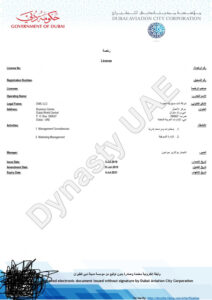
Validity and Renewal
Every type of licence is valid for 1 year. Renewal isn’t a formality: missing the deadline risks a fine, and in some cases a temporary freeze on operations until the matter is resolved. It’s best to start the renewal process 2-3 weeks before the current licence expires, so there’s time to submit any missing documents without disrupting the business.

How Much Business Licensing Costs in the UAE
Several factors affect the cost of a licence:
- the business activity;
- where the business is based (mainland or a specific free zone);
- the company’s legal form;
- whether a business plan is required;
- the number of employees who need to be certified.
On average, a small business licence in Dubai mainland costs AED 8,000-10,000, and a professional licence in the UAE starts from AED 15,000. It’s best to confirm the exact cost for your specific activity in a consultation, but for reference, here are the actual rates for two popular free zones.
|
Package |
Visa |
Cost |
|---|---|---|
|
Trading License |
1 visa |
AED 16 900 / $4 630 |
|
Service License |
1 visa |
AED 16 900 / $4 630 |
|
Service License + Flexi Desk |
no visa |
AED 12 900 / $3 540 |
|
Service License + Flexi Desk |
1 visa |
AED 16 900 / $4 630 |
|
Service License + Flexi Desk |
2 visas |
AED 18 900 / $5 180 |
|
Trading License + Flexi Desk |
no visa |
AED 12 900 / $3 540 |
|
Trading License + Flexi Desk |
1 visa |
AED 16 900 / $4 630 |
|
Trading License + Flexi Desk |
2 visas |
AED 18 900 / $5 180 |
|
Cost Item |
Cost |
|---|---|
|
Company name reservation and licence registration |
AED 14 800 / $4 050 |
|
Notary fees and company memorandum |
AED 3 100 / $850 |
|
Company immigration card and e-signature card |
AED 2 520 / $690 |
|
Founder’s resident visa |
AED 5 110 / $1 400 |
|
Total |
from AED 25,530 / from $6,990 |
|
Package |
Visa |
Cost |
|---|---|---|
|
Trading / Service / E-commerce + Flexi Desk |
no visa |
AED 8 000 / $2 200 |
|
Trading / Service / E-commerce + Flexi Desk |
1 visa |
AED 15 000 / $4 110 |
|
Trading / Service / E-commerce + Flexi Desk |
2 visas |
AED 22 000 / $6 030 |
|
General Trading + Flexi Desk |
no visa |
AED 15 000 / $4 110 |
|
General Trading + Flexi Desk |
1 visa |
AED 22 000 / $6 030 |
|
General Trading + Flexi Desk |
2-3 visas |
AED 29 700 / $8 140 |
|
Premium License + Flexi Desk |
no visa |
AED 15 000 / $4 110 |
|
Premium License + Flexi Desk |
1-2 visas |
AED 22 700 / $6 220 |
|
Premium License + Flexi Desk |
3 visas |
AED 34 700 / $9 510 |
|
Freelance Permit |
1 visa |
AED 10 000 / $2 740 |
These are government fees and package prices set by the free zones themselves at the time of publication; the zones revise them periodically. Dynasty Business Adviser’s own support fees are not included in these figures and are discussed separately during a consultation.
Common Licensing Mistakes
- Choosing an activity without checking whether it’s on the permitted list for the chosen jurisdiction or free zone.
- Submitting documents without English/Arabic translation or notarisation — the most common reason for rejection.
- Missing the licence renewal deadline — leads to fines and the risk of an operations freeze.
- Treating “onshore” and “mainland” as different jurisdictions — in practice, it’s the same type of registration.
- Choosing an offshore structure for a business that will operate inside the UAE — offshore doesn’t grant the right to conduct local business.
“A licence is most often sent back for correction not because of the business itself, but because of formalities: an untranslated document, an uncertified copy, or an activity that simply isn’t on the chosen free zone’s list. These things can be checked in a single call before filing — and it saves the client weeks”.
How We Help With Licensing
Dynasty Business Adviser has provided end-to-end business licensing services for more than 11 years: preparing, filing, and legalising documents, registering a legal address, opening a bank account, and ongoing legal support. We work with small, medium, and large businesses alike — from a professional licence in Dubai to a tourism permit in Abu Dhabi.
What to Do Next
Request a consultation — we’ll help you choose the right jurisdiction and licence type for your business, prepare documents so they’re accepted the first time, and handle the whole process from application to a finished licence. We work at any level of complexity, from a freelance licence to industrial manufacturing.
Get a consultation
Information current as of July 2026, based on the UAE Ministry of Economy and Tourism, the Dubai Department of Economy and Tourism (DET), and pricing data from the IFZA and UAQ free zones. Free zone rates and licensing requirements are revised periodically — confirm current conditions with a specialist before applying.
This material is for informational purposes only and does not constitute legal advice.