
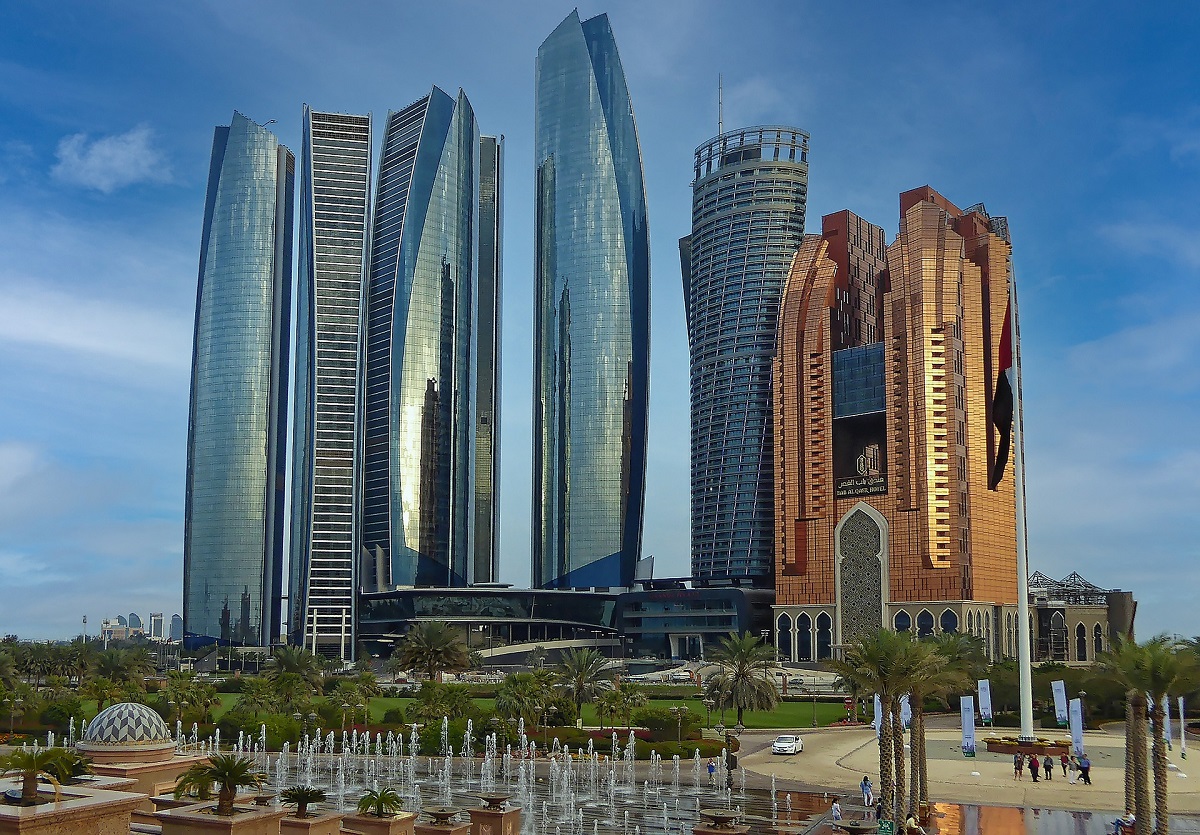
This article covers which jurisdiction to choose in Abu Dhabi, which free zones exist here, what documents and taxes to account for, how much registration costs, and under what conditions an investor can obtain residency in 2026.
Advantages of Registering a Company in Abu Dhabi
Abu Dhabi isn’t “a second Dubai” — it’s an independent business centre with its own rules, backed by the same level of government support for business. Key advantages include:
- developed infrastructure: modern transport, quality office space, and access to advanced technology;
- a favourable tax regime, with the possibility of a 0% corporate tax rate for free zone companies that meet the qualifying conditions;
- a strategic location for reaching markets across the Middle East, Asia, and Africa;
- transparent and relatively fast registration procedures;
- the ability to list several business activities under one licence;
- the ability to operate both within the UAE and abroad, depending on the jurisdiction chosen;
- 100% foreign ownership without a local sponsor for most business activities — a sponsor is still required only for certain government-regulated activities;
- access to UAE banking products, including mortgages;
- no restrictions on property ownership for foreigners in designated areas;
- a choice of three jurisdiction types: mainland, free zone, or offshore.
Residency Through Investment: Current Conditions
Important clarification: the rules for obtaining a residency visa through investment in Abu Dhabi differ from Dubai’s — these are not “unified UAE rules,” as some sources imply. In Abu Dhabi, property-based visa applications go through the emirate’s own channels (the TAMM portal and ICP), not Dubai’s DLD.
Table 1 — Residency Through Investment in Abu Dhabi (current as of 2026)
| Programme | Requirement | Visa Duration |
|---|---|---|
| Real Estate Owner Visa | a fully built property registered in the applicant’s name, plus proven income of at least AED 10,000/month (no fixed minimum property value is published) | 2 years, renewable |
| Golden Visa via property | AED 2,000,000+ in real estate; off-plan (with an approved developer) and mortgaged property are accepted, provided the paid-in/equity share is at least AED 2,000,000 | 10 years, renewable indefinitely |
| Visa via business (federal ICP/GDRFA criteria) | a confirmed paid-up capital share in a UAE company, typically from AED 1,000,000 per investor | depends on the programme — confirmed individually |
There is no separate “3-year investor visa” in the UAE — this is an outdated or mistaken term still used on some websites. The current options are 2 years (Real Estate Owner Visa) and 10 years (Golden Visa).
Who Abu Dhabi Company Registration Suits
Registering in Abu Dhabi suits companies and entrepreneurs who:

- are looking to enter new markets — thanks to its strategic location, Abu Dhabi is a transport hub connecting the Middle East, Europe, Asia, and Africa;
- want a stable, predictable business environment for long-term investment;
- plan to minimise their tax burden through the favourable regime and the ability to repatriate profits;
- operate in sectors the emirate prioritises — artificial intelligence, green technology, finance, media — and expect additional incentives;
- are considering diversifying into tourism, renewable energy, fintech, or real estate;
- run a large international business and want to open a branch to strengthen their regional position.
It suits large corporations as well as startups and mid-sized businesses.
Company Types and Locations
In Abu Dhabi, you can set up:
- a new company — an independent enterprise registered as its own legal entity;
- a branch — a division of a company operating outside Abu Dhabi;
- a representative office — a structure for promoting a brand and its services, without the right to conduct commercial activity.
By location, the law distinguishes three jurisdictions:
- mainland — allowing you to operate both across the UAE and abroad; the licensing authority is the Abu Dhabi Department of Economic Development (ADDED);
- free zones — each with its own administration and a favourable tax regime;
- offshore structures — for companies set up for international activity, without the right to do business inside the UAE.
Abu Dhabi Free Zones
Unlike Dubai, with its dozens of sector-specific free zones, Abu Dhabi operates a handful of major free zones, each with its own specialisation and regulatory framework:
Table 2 — Abu Dhabi’s Main Free Zones
| Zone | Specialisation | Regulatory Feature |
|---|---|---|
| ADGM (Abu Dhabi Global Market) | financial services, funds, holding companies, fintech | its own jurisdiction based on English common law, with a separate court (ADGM Courts) |
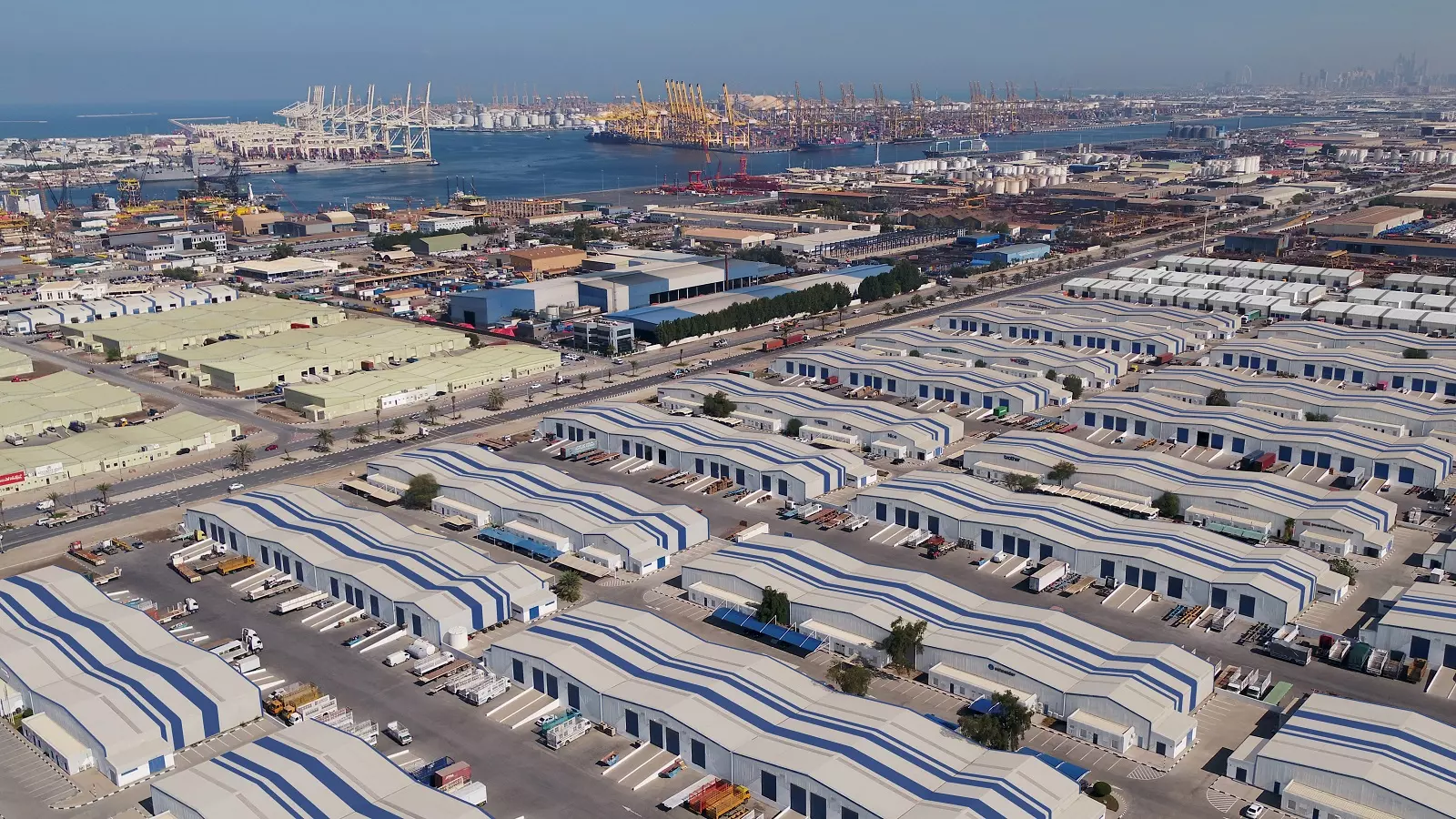
| KEZAD (Khalifa Economic Zones Abu Dhabi, formerly KIZAD) | industry, logistics, heavy manufacturing | the emirate’s largest industrial zone, integrated with Khalifa Port |
| Masdar City | clean technology, sustainable energy, R&D | focused on green and climate technologies |
| twofour54 | media, content, creative industries | a dedicated zone for media companies and content creators |
| Abu Dhabi Airport Free Zone (ADAFZ) | logistics, aviation, trade | located on Abu Dhabi Airport grounds |
Hub71 isn’t a separate free zone — it’s a government-backed programme supporting tech startups, physically based within ADGM, giving residents incentives and access to an investor network.
Legal Structures

- Limited Liability Company (LLC) — the most popular choice, allowing registration even with a single shareholder;
- Public Joint Stock Company (PJSC) — a public company whose shares trade freely, suited to large businesses raising capital via a stock exchange;
- Private Joint Stock Company (PrJSC) — a private company whose shares are not publicly traded;
- Sole Proprietorship — a business owned by one individual, who bears full liability for its obligations;
- Civil Company — a structure for professional activities (consulting, medicine, legal services);
- Joint Venture — a temporary alliance of companies formed to deliver a specific project.
Following the reform of foreign ownership rules, a local sponsor is still required only for certain government-regulated activities — confirm whether this applies to your specific activity during a consultation.
Documents Required
The document package depends on the owner’s legal status, the type of entity (branch, subsidiary, new company), the jurisdiction (free zone or mainland), and the business activity.
For an individual
- a passport copy, including the page with the UAE entry stamp;
- a copy of a UAE residency visa or Emirates ID (for residents);
- a passport photo, 3.5 × 4.5 cm, white background;
- contact details — phone number and email;
- address and country of residence;
- personal details — parents’ names, marital status, religion.
For a legal entity
- notarised incorporation documents;
- a notarised power of attorney for the representative;
- share capital details;
- passport copies and contact details for directors and shareholders.
The full document list for your specific activity and chosen jurisdiction is confirmed during a consultation..
Taxes for Companies in Abu Dhabi
VAT
The standard VAT rate is 5% and applies to most goods and services, except exempt categories (such as exports outside the UAE).
Corporate Tax
Since 1 June 2023, the UAE has applied a federal corporate tax of 9% on taxable profit exceeding AED 375,000 (profit below the threshold is taxed at 0%). Free zone companies that meet the qualifying conditions (Qualifying Free Zone Person) can apply a 0% rate to income from “qualifying” activity.
Separately from the federal corporate tax, older emirate-level tax decrees remain in force in individual emirates (including Abu Dhabi and Dubai): oil, gas, and petrochemical companies are taxed on profit at rates of up to 55%, and branches of foreign banks are taxed at 20% on taxable income. These rates have not been replaced by the new 9% corporate tax — they apply in parallel, for the relevant sectors.
Import Duties
Most goods are subject to a 5% import duty. Goods imported into free zones and sold within them are exempt from this duty.
Other Fees
- municipal service fees — property rental, utilities, and administrative fees, varying by activity and location;
- the UAE has no personal income tax, so no income tax is withheld from employee salaries.
Companies must undergo an annual audit and file financial statements in line with ADDED’s requirements and those of the relevant free zone regulator.
How Much It Costs to Set Up a Company in Abu Dhabi
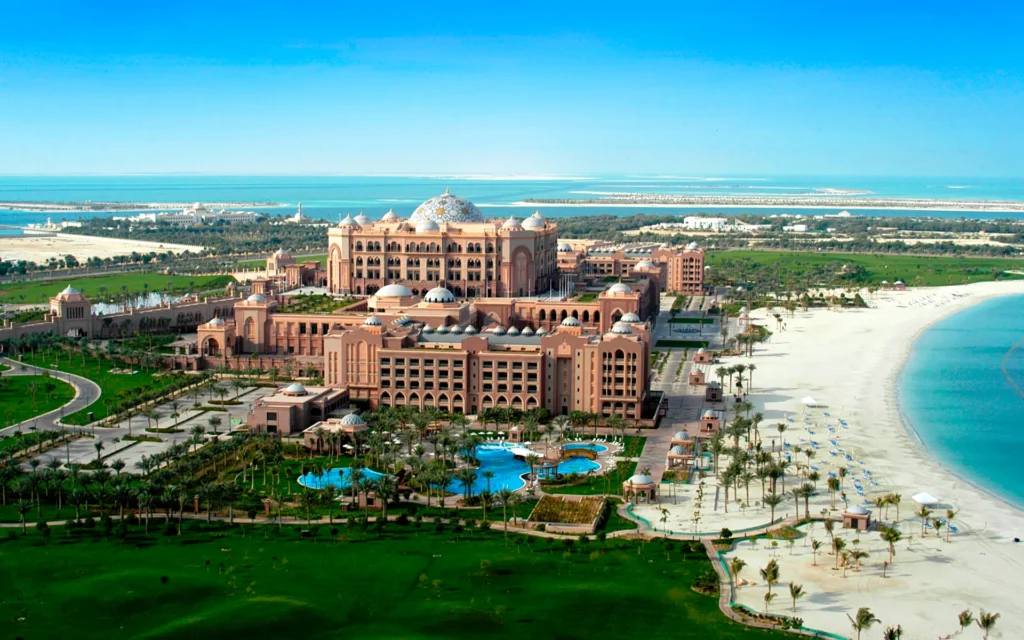
The final cost depends on the licence type, jurisdiction, share capital, office rent, and the number of employee visas.
Table 3 — Approximate Licence Costs (one visa, Flexi Desk, free zone)
| Licence Type | Cost |
|---|---|
| Freelance license | from AED 10,000 |
| Service Trading license | from AED 16,900 |
| Trading license | from AED 16,900 |
| Trading / Service / E-commerce | from AED 15,000 |
| General Trading license | from AED 22,000 |
| Premium license | from AED 22,700 |
Table 4 — Additional Cost Items
| Cost Item | Amount |
|---|---|
| Registration fees (depend on jurisdiction) | from AED 10,000 |
| Business licence (annual) | from AED 5,000 to 40,000 |
| Company name registration | up to AED 2,000 |
| Office rent | from AED 15,000 (free zone) / from AED 30,000 (mainland) |
| Rental deposit (per m²) | from AED 2,500 |
| Owner/manager visa | from AED 3,500 per person |
| Document registration and filing with registries | from AED 2,000 |
| Notary services | from AED 1,600-2,000 |
| Bank account opening (deposit) | from AED 50,000, depending on bank requirements |
| Local sponsor services (if applicable) | from AED 15,000 per year |
Registration in ADGM typically costs more than the free zone or mainland packages listed above, due to its more complex structure (English common law, a separate register, financial regulator compliance requirements) — request a tailored quote for an ADGM structure individually.
Procedure and Timeline
When all legal requirements are met, registering a company in Abu Dhabi takes anywhere from a few weeks to 3 months, depending on the type and scale of the business.
- Choose a company name — it must comply with UAE rules and not infringe intellectual property rights.
- Choose the company type and jurisdiction — mainland, free zone, or offshore, based on your business goals.
- Prepare documentation — incorporation documents in English or Arabic, with copies and powers of attorney notarised.
- Lease office space — physical or virtual, depending on the jurisdiction’s requirements.
- Submit the registration application — to the Abu Dhabi Department of Economic Development (ADDED) for mainland, or to the relevant free zone authority.
- Obtain the licence required to operate.
- Open a corporate account with a UAE bank.
- Obtain residency visas for the company owners and staff.
Common Mistakes

- Applying Dubai’s residency visa conditions to Abu Dhabi (for example, the removal of the AED 750,000 property minimum from April 2026) — property-based applications in Abu Dhabi go through the emirate’s own channels (TAMM/ICP), with different conditions.
- Relying on a non-existent “3-year investor visa” — no such programme exists in the UAE.
- Confusing the federal 9% corporate tax with emirate-level sector rates (55% for oil and gas companies, 20% for foreign bank branches) — these are different taxes that apply in parallel.
- Choosing ADGM without accounting for its English legal system and higher registration cost compared to mainland packages.
- Not confirming which activities still require a local sponsor — despite the 2020-2021 reform, some regulated activities retain this requirement.
“Abu Dhabi is often described as if it operates under the same rules as Dubai, just ‘in the capital.’ In practice, the differences are substantial: its own free zones, its own regulator (ADDED), separate channels for residency visa applications through TAMM and ICP. An investor working off Dubai’s figures can easily over- or underestimate the requirements that actually apply in Abu Dhabi.”
How We Help With Company Formation
As a licensed registrar of onshore and offshore companies, Dynasty Business Adviser provides end-to-end company formation in Abu Dhabi:
- we help choose a company name that meets UAE requirements;
- we advise on jurisdiction (mainland, ADGM, KEZAD, Masdar City, twofour54, and other zones), legal structure, and company type;
- we handle licence issuance and renewal;
- we open bank accounts, guiding you through the compliance review;
- we source office space or virtual offices;
- we arrange visas — residency and Golden Visas — based on the conditions that actually apply in Abu Dhabi.
If you’d like to buy an existing business, our experts will assess it for profitability and risk before the deal.
What to Do Next
Request a consultation — we’ll help you choose between the mainland, ADGM, and Abu Dhabi’s other free zones, confirm which visa conditions apply to your specific investment, and handle the registration end to end. We work with companies of any size and activity.
Get a consultation
Information current as of July 2026, based on the official TAMM and u.ae portals, data from the Federal Authority for Identity, Citizenship, Customs & Port Security (ICP), the Abu Dhabi Department of Economic Development (ADDED), and the Federal Tax Authority (FTA). Visa thresholds and tax rates are revised periodically — confirm current conditions with a specialist before applying.
This material is for informational purposes only and does not constitute legal advice.